
They Deserve What they Get
“They deserve what they get. Don’t you know that? I don’t know why you think you need to help them. Just leave them be.” The shock of the statement stated as fact from someone I thought knew better made my blood turn cold. Did she truly mean that?
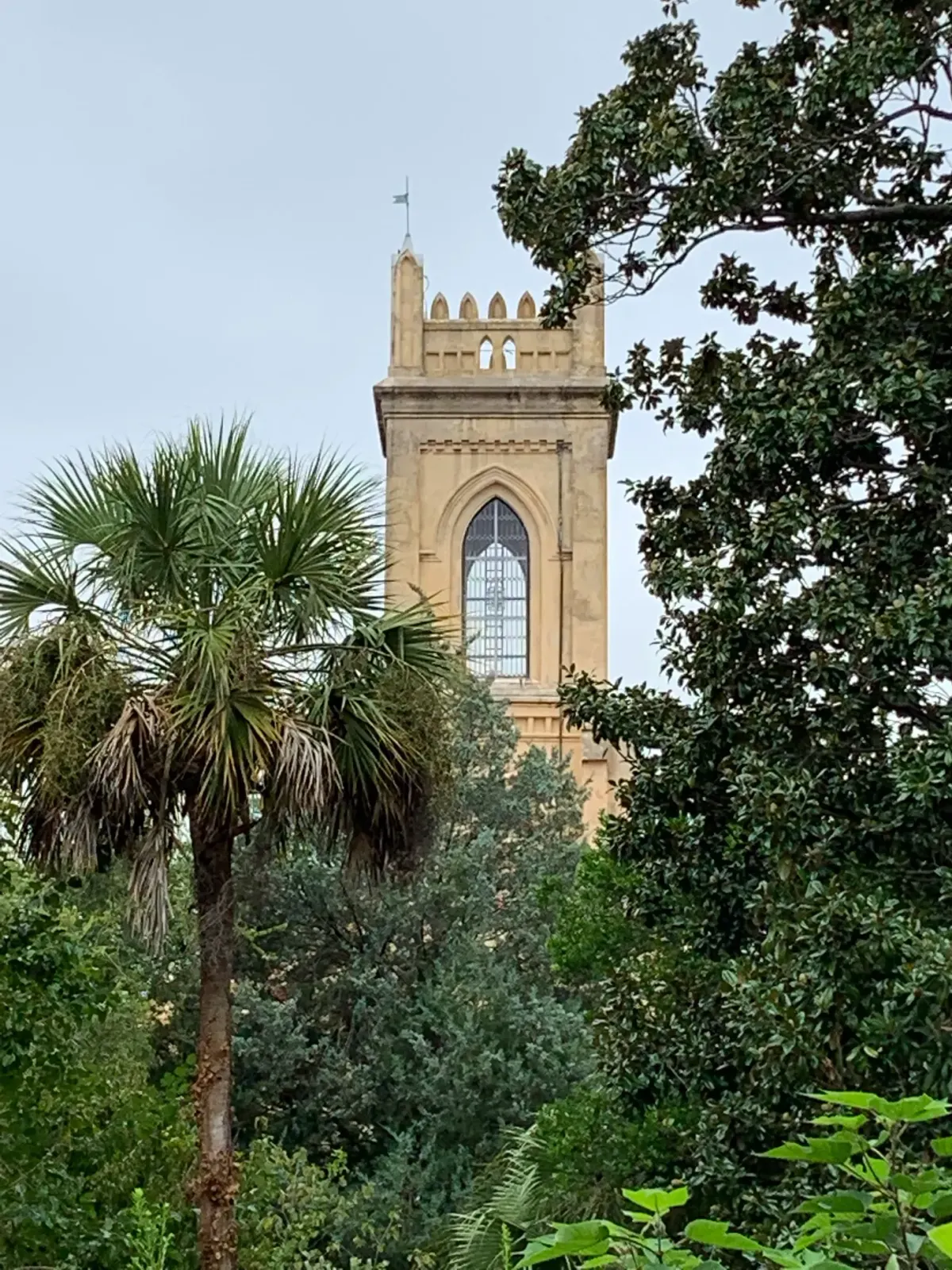
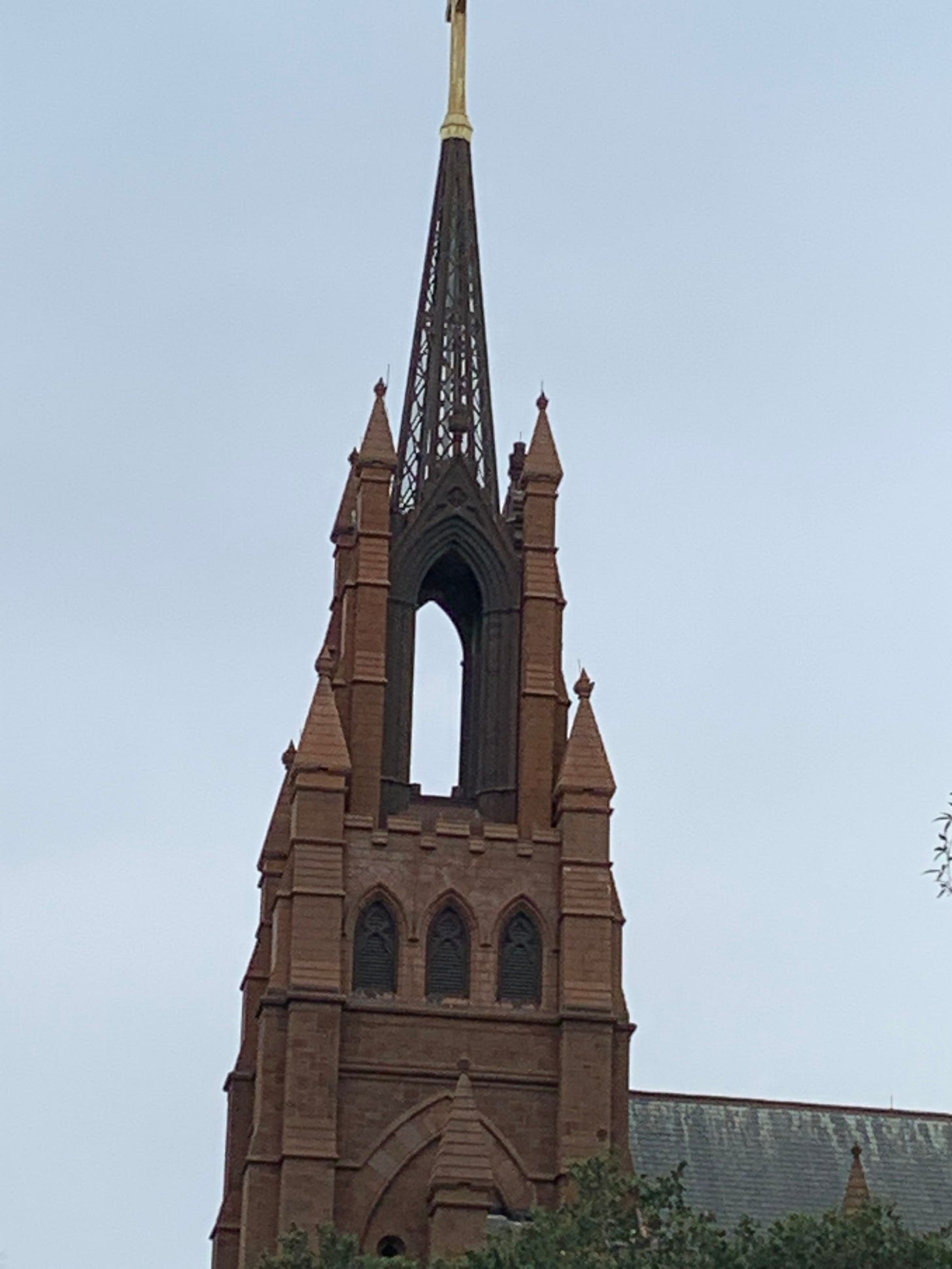
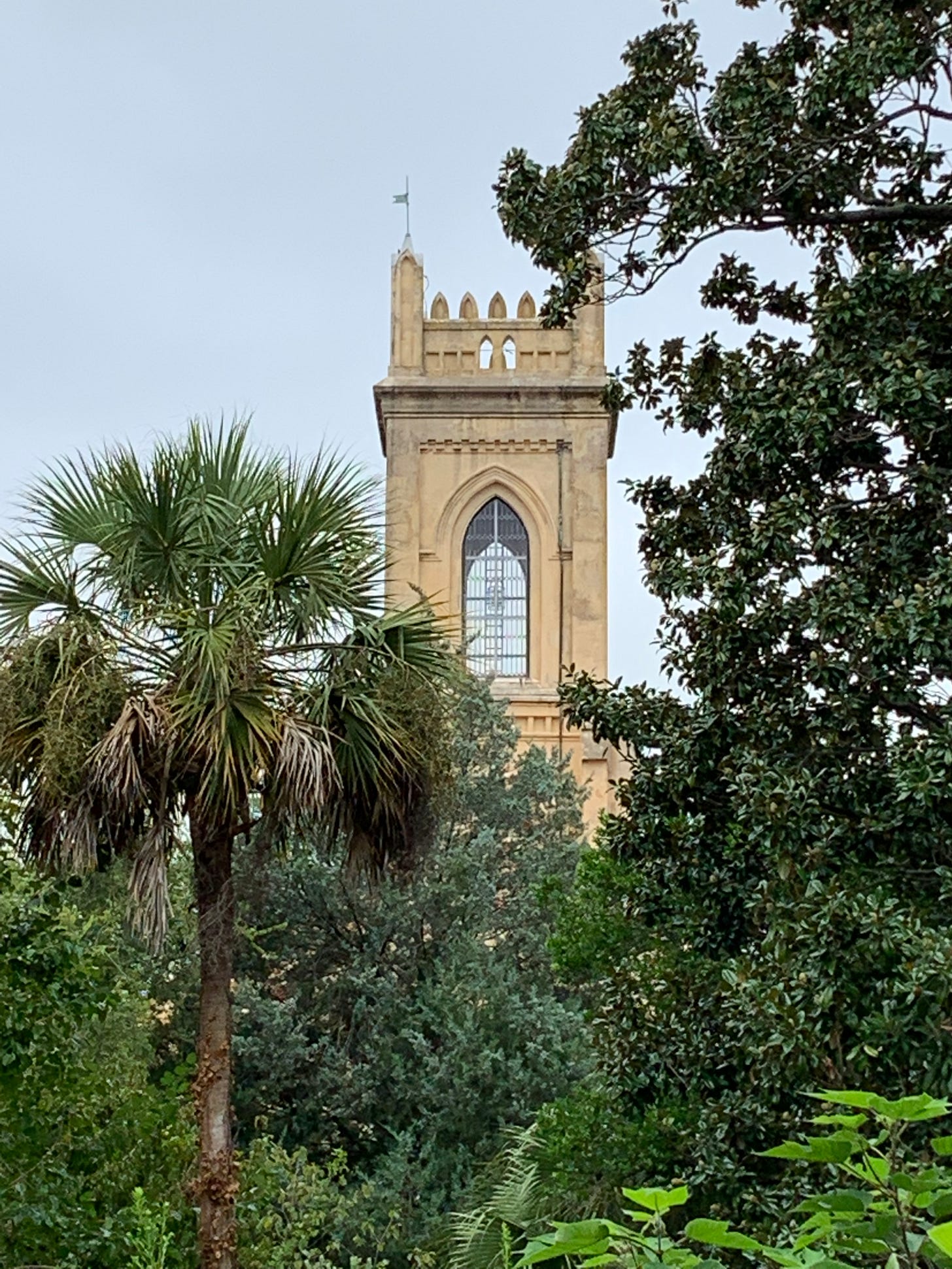
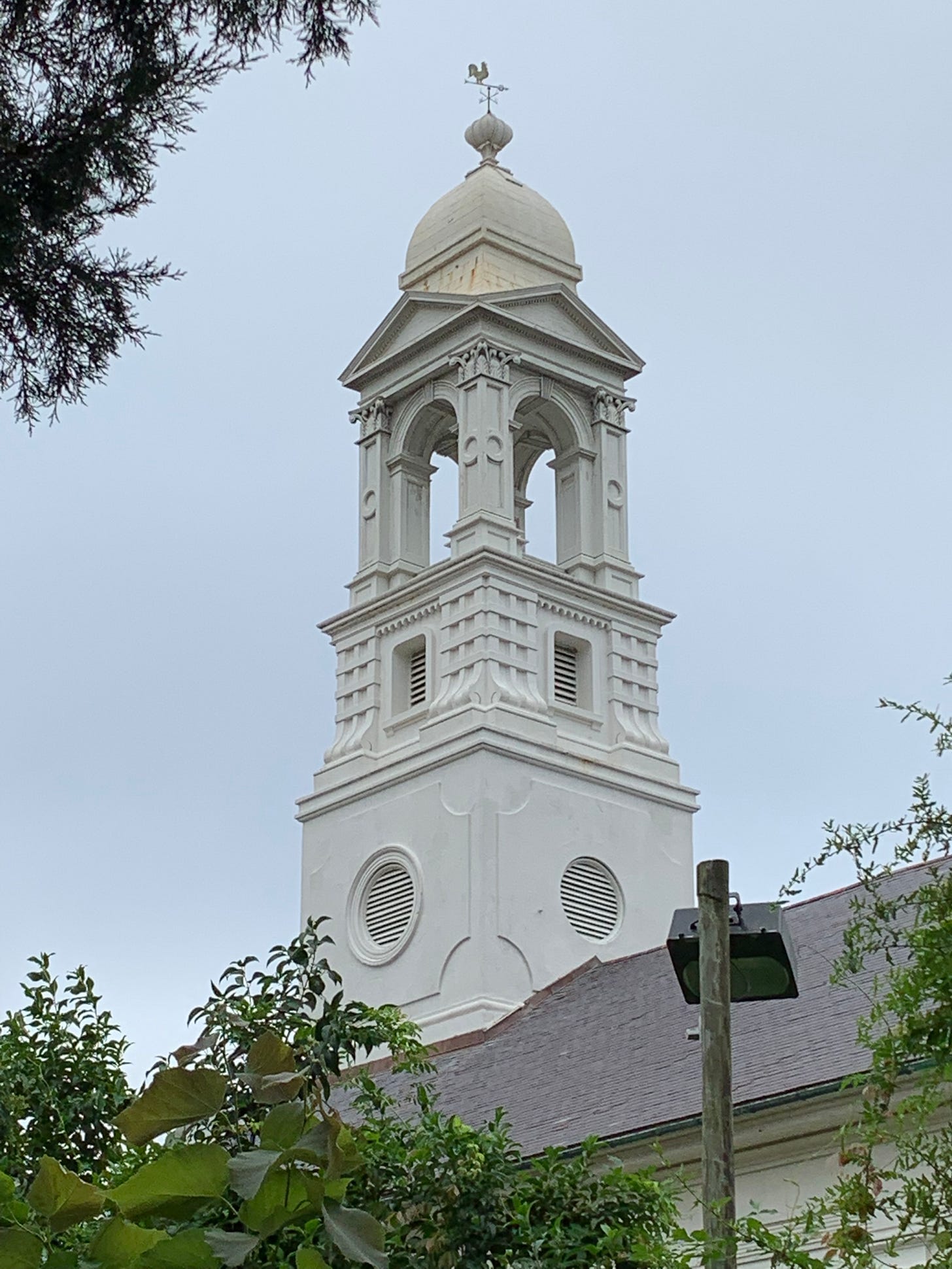
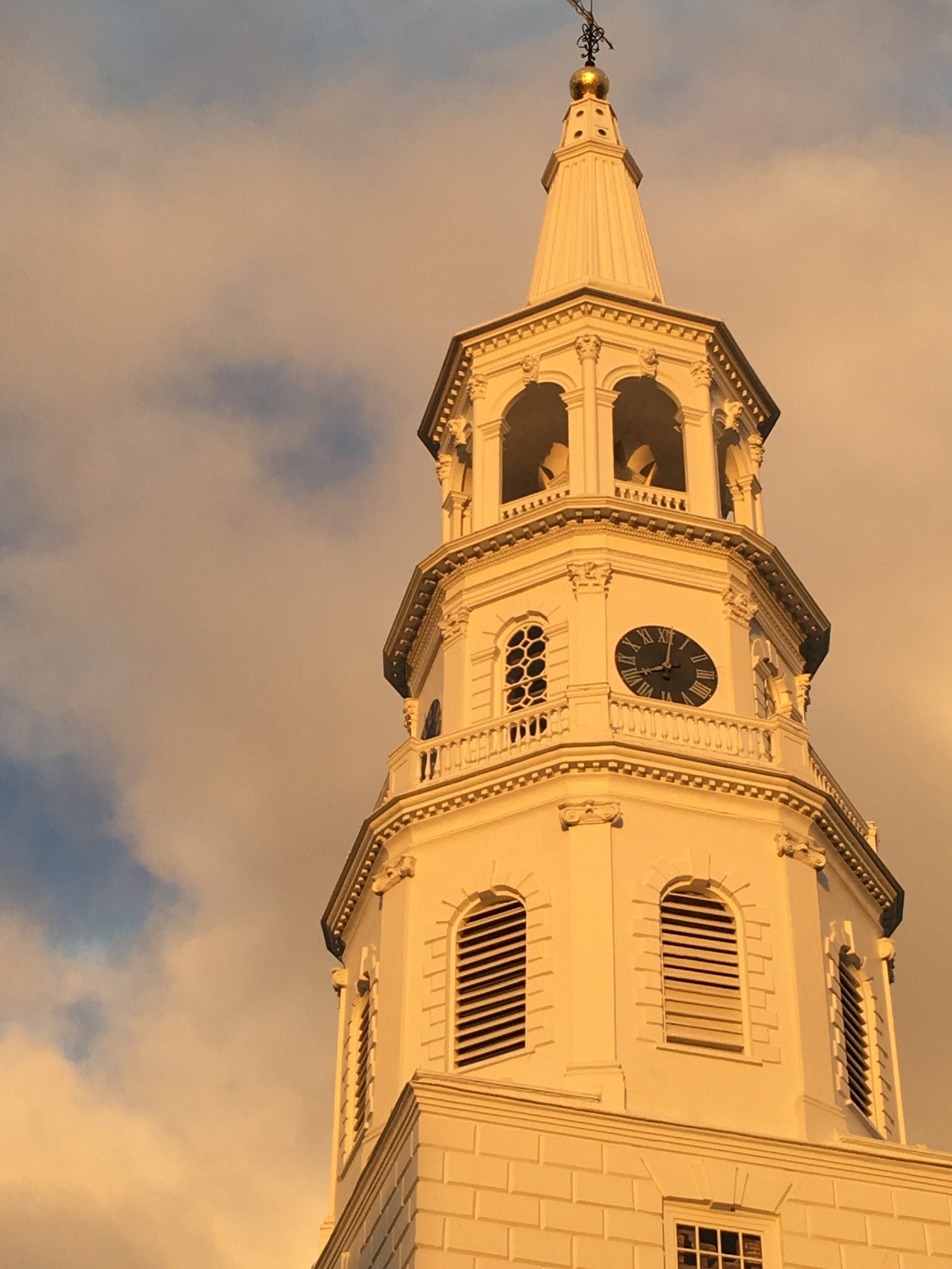
In a city filled with churches, I'm still shocked, even years later
“They deserve what they get. Don’t you know that? I don’t know why you think you need to help them. Just leave them be.” The shock of the statement stated as fact from someone I thought knew better made my blood turn cold. Did she truly mean that?
My response was rapid fire. I had only been here a year and hadn’t thought what my position would be in my new town. It didn’t take long before I learned I was on the wrong side—at least from their perspective.
“No, that isn’t what they deserve. Did you hear yourself just now?”
Over coffee with my neighbor, I brought up the multitude of police stops happening in several parts of our town. Never were white people stopped, I stressed, only black or brown ones, and for reasons that were insignificant. I had the statistics, the proof. And she knew about this, as it was a constant topic on the front page of the local newspaper. We’d had a black man shot multiple times by a policeman from behind. But clearly her opinion was the opposite of mine: that “they” deserved getting stopped just because they were black or brown or some other color than white.
Harsh words continued to pour out so vehemently that I almost dropped my coffee cup. According to her, the black or brown person deserves to be poor, uneducated, harassed by the local police. They never try to “dig themselves out” and “make something of themselves” and it was their own fault. They were nothing but drug users, car thieves, scurge of the earth. To cap it all off, I was called a fool for even thinking about helping them. I could hear the N word hovering, but I held in my temper and thankfully I didn’t slap her when it came flying out.
Maybe I should have. I’ll have to think about that.
For some reason, her statements made me remember the first time I heard the words “yellow-dog Democrat.” Words like these had been flung about in hate my entire life. My parents were these—what the Democratic Party used to be in the 1940’s and 50’s—folks conservative to a fault that would vote for a yellow dog rather than anyone who wasn’t a Democrat. I remember asking my mother what it meant and actually got an answer from her. People who believed God wanted the world to be segregated—white—and didn’t care where the others lived or worked as long as those who weren’t white stayed far away. Supporting George Wallace and then later his wife Lurleen, my parents were Southern God-fearing Christians who voted as a block with their friends and neighbors to protect their white world.
As I write this, even now, if I hadn’t had this specific conversation with my mother, I would never have believed this.
As I sat silent in front of my neighbor, still sipping my coffee, pictures like a slide show ran through my mind. My aunt showing me the white sheets and pointy hat she found folded up and stuffed inside the walls of the old house where one of my grandparents lived as a child, the hateful scrunched up face of my first black roommate in college who insisted all whites were racists, the old black man on King Street that moved to the street and waited for me to pass by on the sidewalk, the client I had years later in a small Alabama town who refused to get out of the locked car for our meeting until the black people had walked on by to another block.
There are dozens of these memories. I wish I could pack them up and burn them.
I can see my parents and grandparents thrashing about in their graves. I’m not sure it’s because the two parties—thanks mostly (in my mind) to Bobby Kennedy—have swapped positions on the national stage, or this one of their offspring has chosen to shuck their priority white world. I wonder what George Wallace thinks of Republicans? Would he fit right in?
I left the south years ago and moved to Türkiye, a place caught between Europe and the Middle East. I married a Turk almost thirty-five years ago and I saw the mixture of lives, religions, nationalities—a story for another time, perhaps.
It changed me for the better I hope.
Yet I expected my country and my South, when I returned from my first extended stay overseas, to be smarter than what I’d left, less confrontational and more understanding. Now that the political parties have grown, our economy larger, and more people with college educations running around, I expected our tolerance to have grown as well. But the first thing I learned when I returned was that unfortunately, none of that had happened.
“They deserve what they get” still bounced around the kitchen in my neighbor’s house. In some respects, now that we were all supposedly enlightened and educated, it was worse.
I left my friend’s house and soon learned something that made the entire argument worse. I discovered that the entire community agreed with me to my face that “something” needed to be done about the abysmal statistics of our police force. Yet they silently, and firmly, refused to help.
They liked their segregated lives.
How did I get to be so “liberal?” I don’t know. It sure wasn’t because of my upbringing. Maybe it’s the travel, the life overseas, getting chewed out by one of my black roommates in paralegal school or trying my best to break out of my very privileged “whiteness.” As to what they—my friends and neighbors who refused to help--deserve? That’s not my call.
Maybe one of these churches has a solution?